
The Microbiome Empire: How to Repair Your Gut Barrier, Optimize SCFAs, and Fuel Total-Body Vitality
For decades, modern medicine treated the gastrointestinal tract as a simple mechanical organ, a glorified processing tube designed to break down food, extract basic nutrients, and eliminate waste.
Today, ground-breaking research in neuro-gastroenterology and immunology has shattered that primitive view.
Your gut is home to a complex, thriving biological ecosystem: The Human Microbiome. Comprising over 100 trillion microorganisms, outnumbering your human cells by ten to one, this internal microbial empire functions as a master regulatory organ that governs up to 80% of your immune system, synthesizes key neurotransmitters, and regulates systemic metabolic health.
When your microbiome falls into dysbiosis and your intestinal lining becomes compromised ("Leaky Gut"), bacterial endotoxins escape into your bloodstream, triggering silent, low-grade systemic inflammation that manifests as chronic fatigue, brain fog, skin breakouts, and stubborn weight gain.
If you want to achieve true metabolic resilience, radiant health, and peak cognitive drive, you must start by optimizing your internal microbial ecosystem. Here is the exact science-backed framework to repair your gut barrier and build a thriving microbiome.
1. The Gut Barrier: Your Body’s Most Critical Frontier
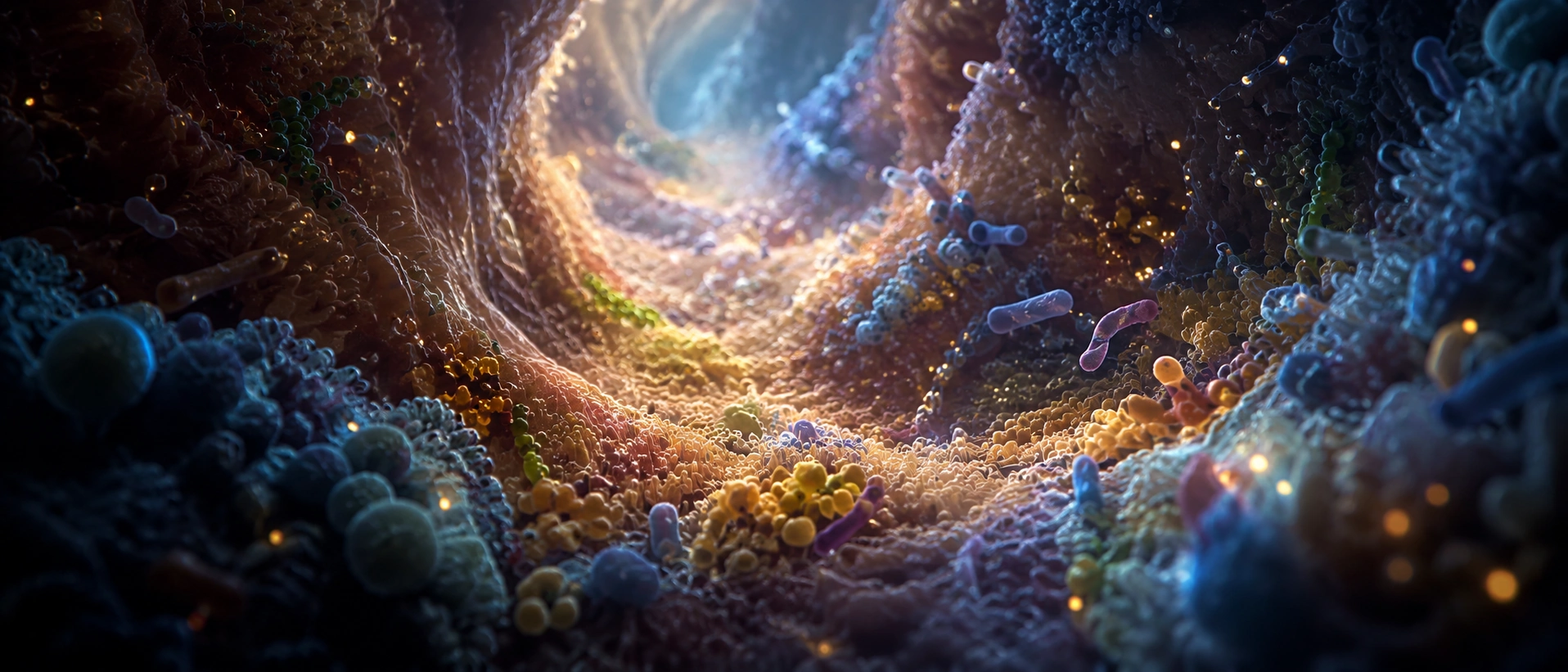
 Your gut microbiome is a master control center, synthesizing vital postbiotic metabolites that regulate immune response and metabolic efficiency
Your intestinal lining is a single layer of epithelial cells separating the vast outer environment from your sterile bloodstream. Held together by delicate protein structures called Tight Junctions (Claudins and Occludins), this thin barrier acts as a hyper-selective biological border control.
When exposed to chronic stress, ultra-processed foods, environmental toxins, or overuse of NSAIDs, these tight junctions degrade:
I. The Endotoxin Cascade (LPS Translocation)
As tight junctions loosen, toxic outer-membrane components of Gram-negative bacteria, known as Lipopolysaccharides (LPS), leak through the epithelial layer directly into circulation. This systemic endotoxemia forces your liver into overdrive and triggers a chronic systemic inflammatory response.
II. The Vagus Nerve & Neurotransmitter Breakdown
Your gut microbiome communicates directly with your central nervous system via the Vagus Nerve (the Gut-Brain Axis). Over 90% of the body's total Serotonin and a massive portion of GABA are produced inside the gut environment. A degraded microbiome directly cripples your emotional stability and stress resilience.
2. Postbiotics: The Power of Short-Chain Fatty Acids (SCFAs)
Many people dump random probiotic supplements into an inflamed gut, expecting instant recovery. However, probiotics are merely the biological factories; the real healing power comes from their metabolic end-products: Short-Chain Fatty Acids (SCFAs).
When beneficial gut bacteria ferment non-digestible prebiotic fibers, they generate three crucial postbiotic compounds:
- Butyrate (The Cellular Fuel): The primary energy source for your colonocytes (colon cells). Butyrate actively repairs tight junctions, lowers intestinal oxygen levels to kill pathogenic anaerobes, and suppresses inflammatory nuclear factor-kappa B (NF-kB).
- Acetate & Propionate (Metabolic Regulators): Travel via the portal vein to the liver and brain, where they regulate satiety hormones (GLP-1 and PYY), enhance insulin sensitivity, and stimulate lipid oxidation.
3. The 3 Master Saboteurs of Gut Diversity
To rebuild a thriving microbial ecosystem, you must eliminate the specific modern factors that sterilize your beneficial flora:
I. Monotonous, Low-Fiber Diets
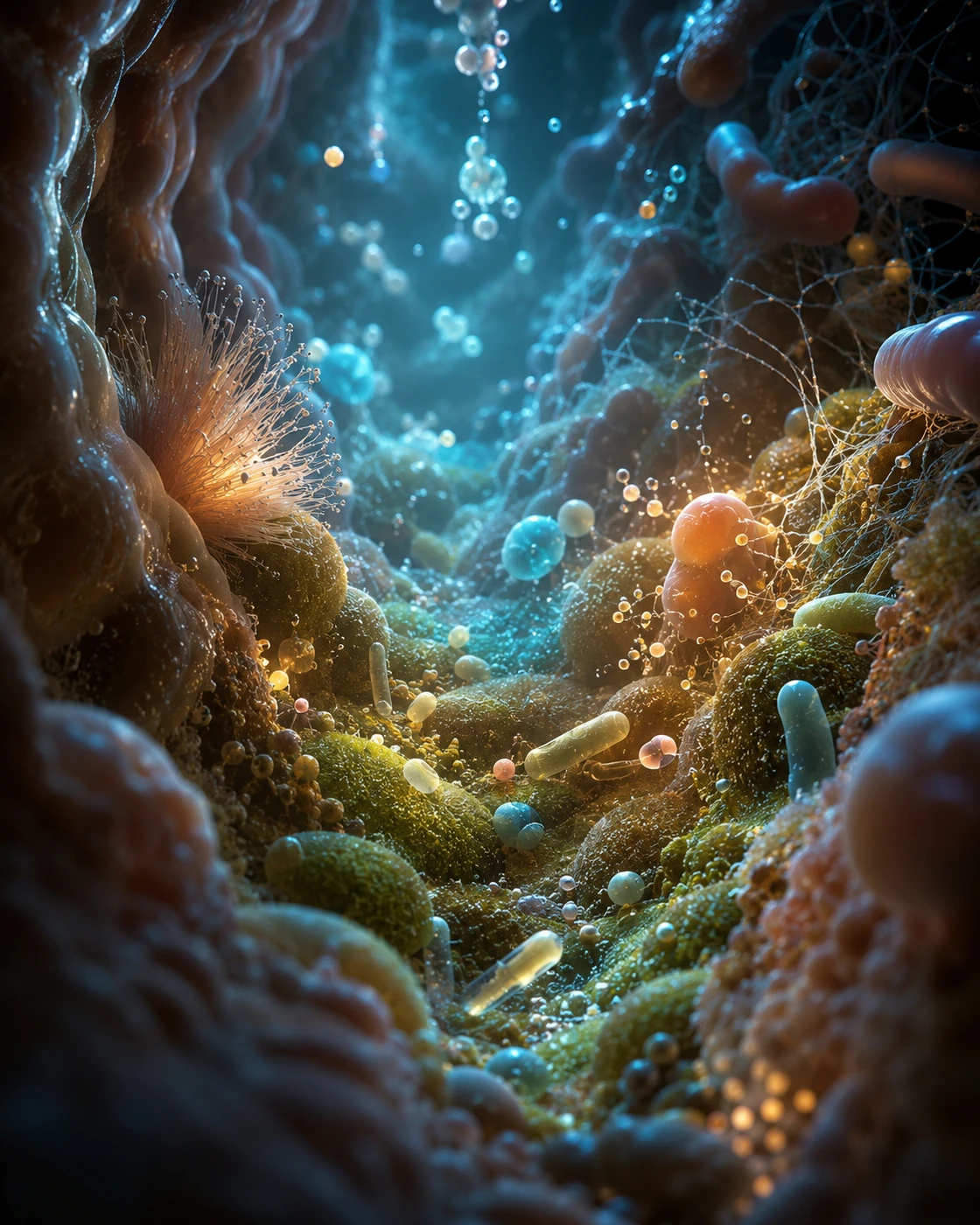 Gut diversity thrives on fiber-rich foods and stable conditions, modern dietary and lifestyle stressors can push the ecosystem toward dysbiosis.
The modern Western diet relies heavily on refined carbohydrates and ultra-processed ingredients. Lacking diverse plant fibers, beneficial bacterial species literally starve, causing the surviving microbes to feed on the gut’s protective protective mucus layer.
II. Artificial Sweeteners & Emulsifiers
Common food additives like polysorbate-80 and carboxymethylcellulose act as biological detergents, stripping away the protective intestinal mucosal layer and enabling pathogenic bacteria to contact the epithelial lining directly.
III. Chronic Unmitigated Stress
Elevated cortisol and sympathetic nervous system activation alter gut motility, reduce gastric acid secretion, and alter mucosal blood flow, rapidly shifting microbial balance toward inflammatory dysbiosis.
4. The Gut Restoration Protocol: Rebuild, Reseed, Refuel
Systematically repairing your gastrointestinal architecture requires a structured, multi-phase protocol:
Step 1: Repair the Intestinal Mucosa
Incorporate specific barrier-building amino acids and botanicals to seal degraded tight junctions:
- L-Glutamine (5g-10g daily): The primary fuel source for small intestine epithelial cells, actively accelerating tight junction repair.
- Zinc L-Carnosine: A chelated compound clinically proven to stabilize gut mucosal integrity and restore epithelial resistance.
- Deglycyrrhizinated Licorice (DGL) & Slippery Elm: Stimulate natural protective mucus production along the GI tract.
Step 2: Expand Microbial Diversity (The 30-Plant Rule)
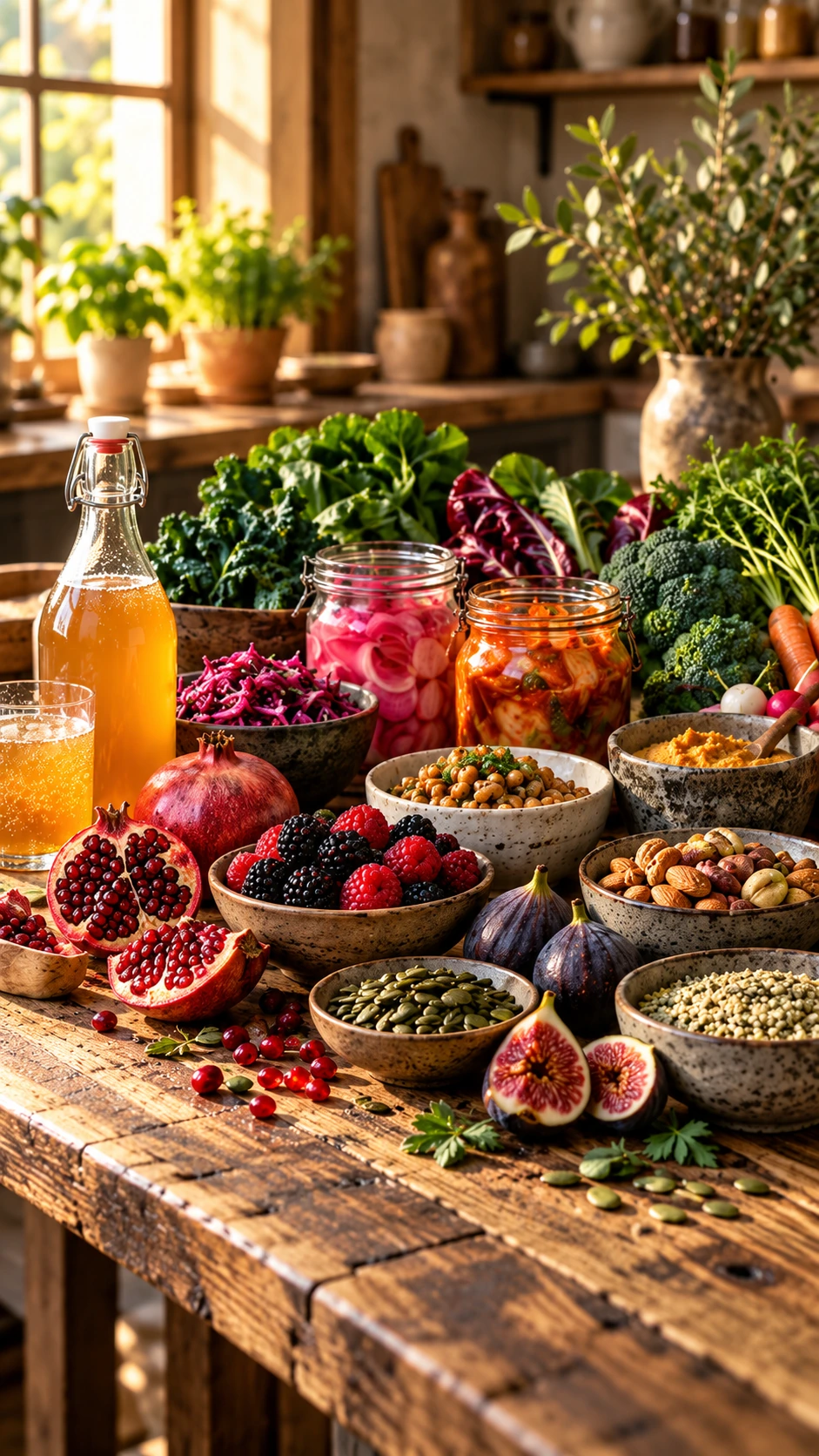 Microbial diversity relies on consuming a wide spectrum of prebiotic plant fibers and polyphenol-dense foods every week.
Aim to consume 30 different species of plant foods per week (including vegetables, fruits, herbs, seeds, and nuts). High dietary diversity supplies a rich spectrum of Polyphenols and Prebiotic Fibers (Inulin, Resistant Starch) to feed key keystone strains like Akkermansia muciniphila and Faecalibacterium prausnitzii.
Constantly Bloated? Read Our Deep-Dive Guide to Fixing Digestive Enzymes & Low Stomach Acid
Step 3: Introduce Targeted Fermented Foods & Spore-Based Probiotics
Incorporate raw fermented foods (kimchi, sauerkraut, kefir) or high-viability Spore-Based Probiotics (Bacillus strains) that survive harsh stomach acid to re-seed the lower intestine safely without triggering small intestinal bacterial overgrowth (SIBO).
Discover How Short-Chain Fatty Acids (SCFAs) Optimize Blood Sugar & Insulin Sensitivity
Your Gut is the Root of Your Vitality
You cannot achieve lasting mental clarity, optimal hormone balance, or effortless physical energy with a compromised, inflamed gastrointestinal tract.
By repairing your intestinal mucosal barrier, eliminating artificial additives, and feeding your beneficial microbes a rich spectrum of prebiotic fibers, you unlock the body’s ultimate biological foundation for total-body performance.
Stop ignoring your internal ecosystem. Fortify your microbiome.
5. Precision Diagnostics: Unlocking Your Personal Microbiome DNA
Guessing your gut status based on generic symptoms often leads to wasted time and ineffective supplement stacks. Advanced clinical stool testing, such as high-throughput DNA sequencing, provides a precise molecular snapshot of your internal microbial ecosystem.
 Advanced metagenomic sequencing analyzes the unique DNA of your gut microbiome to unlock personalized health insights.
By analyzing the specific genetic material of your gut flora, a comprehensive stool test measures critical biological biomarkers:
- Keystone Strain Levels: Quantifies crucial protective bacteria like Akkermansia muciniphila (mucosal layer integrity) and Faecalibacterium prausnitzii (primary butyrate producers).
- Dysbiosis & Pathogen Ratios: Identifies overgrowths of opportunistic bacteria, yeasts, or inflammatory organisms that silently trigger systemic endotoxemia.
- Functional Output Capacity: Evaluates your microbiome's actual capacity to digest specific fibers and synthesize essential short-chain fatty acids.
Instead of throwing random high-dose probiotics into a complex biological system, analyzing your microbiome DNA allows you to target your protocol with precision. You can feed your specific deficient strains with tailored prebiotic fibers and selectively rebalance your microbial empire based on real bio-data.
Scientific References & Reading List
-
Gut Microbiome, Tight Junctions & Intestinal Barrier Function: Chelakkot, C., Ghim, J., & Ryu, S. H. "Mechanisms regulating intestinal barrier integrity and its pathological implications." Experimental & Molecular Medicine 50(8), 1-9 (2018). Read Full Study on PubMed Central (PMC6095905) | Read on PubMed (PMID: 30115904) | DOI: 10.1038/s12276-018-0126-x
-
Short-Chain Fatty Acids (SCFAs) & Metabolic Regulation: Koh, A., De Vadder, F., Kovatcheva-Datchary, P., & Bäckhed, F. "From Dietary Fiber to Host Physiology: Short-Chain Fatty Acids as Key Bacterial Metabolites." Cell 165(6), 1332-1345 (2016). Read on PubMed (PMID: 27259147) | DOI: 10.1016/j.cell.2016.05.041
-
L-Glutamine & Intestinal Epithelial Repair: Rao, R., & Samak, G. "Role of Glutamine in Protection of Intestinal Epithelial Tight Junctions." Journal of Epithelial Biology & Pharmacology 5(Suppl 1-M7), 47-54 (2012). Read Full Study on PubMed Central (PMC4369670) | Read on PubMed (PMID: 25810794) | DOI: 10.2174/1875044301205010047
Disclaimer: The information provided is for educational purposes only and is not intended as medical advice. Always consult with a qualified healthcare professional before starting any new supplement regimen or dietary protocol.